Theory Test Help & Support
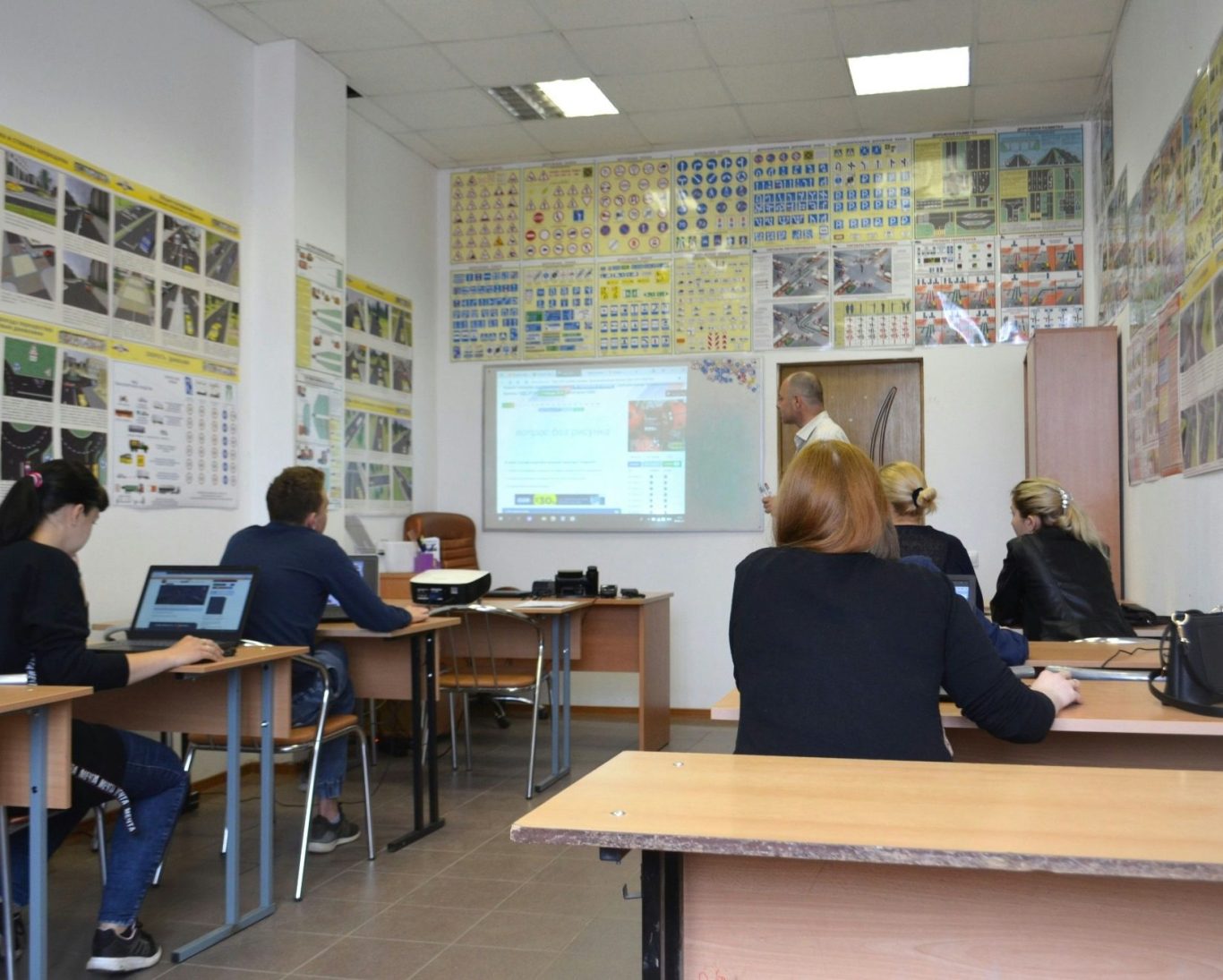
Every student taking driving lessons receives our FREE complimentary access to our online theory and hazard perception training system Theory Test Pro . It contains all the official revision test questions licensed from the DVSA, the people who set the tests. Your driving instructor will provide help & support with this .
Practice 50-question multiple-choice mock exams that reflect the actual DVSA format
Each test includes a mix of topics from the Highway Code, road safety, and traffic signs. We show you how well you’re doing and in which topics so you know what you need to revise. Our system tracks your progress, allowing you and your driving instructor to identify areas needing more focus during your driving lessons.
You will also get access to the complete Hazard Perception test , official-style hazard perception clips with instant feedback
These clips simulate real-life driving situations. You can practice identifying developing hazards quickly and accurately, helping improve your reaction times and boosting your hazard perception score , and this will be reflected during driving lessons .
Your driving instructor will also guide you on what counts as a developing hazard and how best to identify risks early , so you can see exactly how to react to pass first time.
DSA Show Me Tell Me
These are safety check questions during your test. One ‘tell me’ at the start, and one ‘show me’ during the drive.
Examples Include:
- Checking oil levels
- Operating dipped headlights
- Using the horn safely
- Setting demisters
Our driving school will prepare you for these questions .You won’t fail for getting these wrong, but it may result in one minor fault.
You Will Be Asked Two Of The Following On Your Test
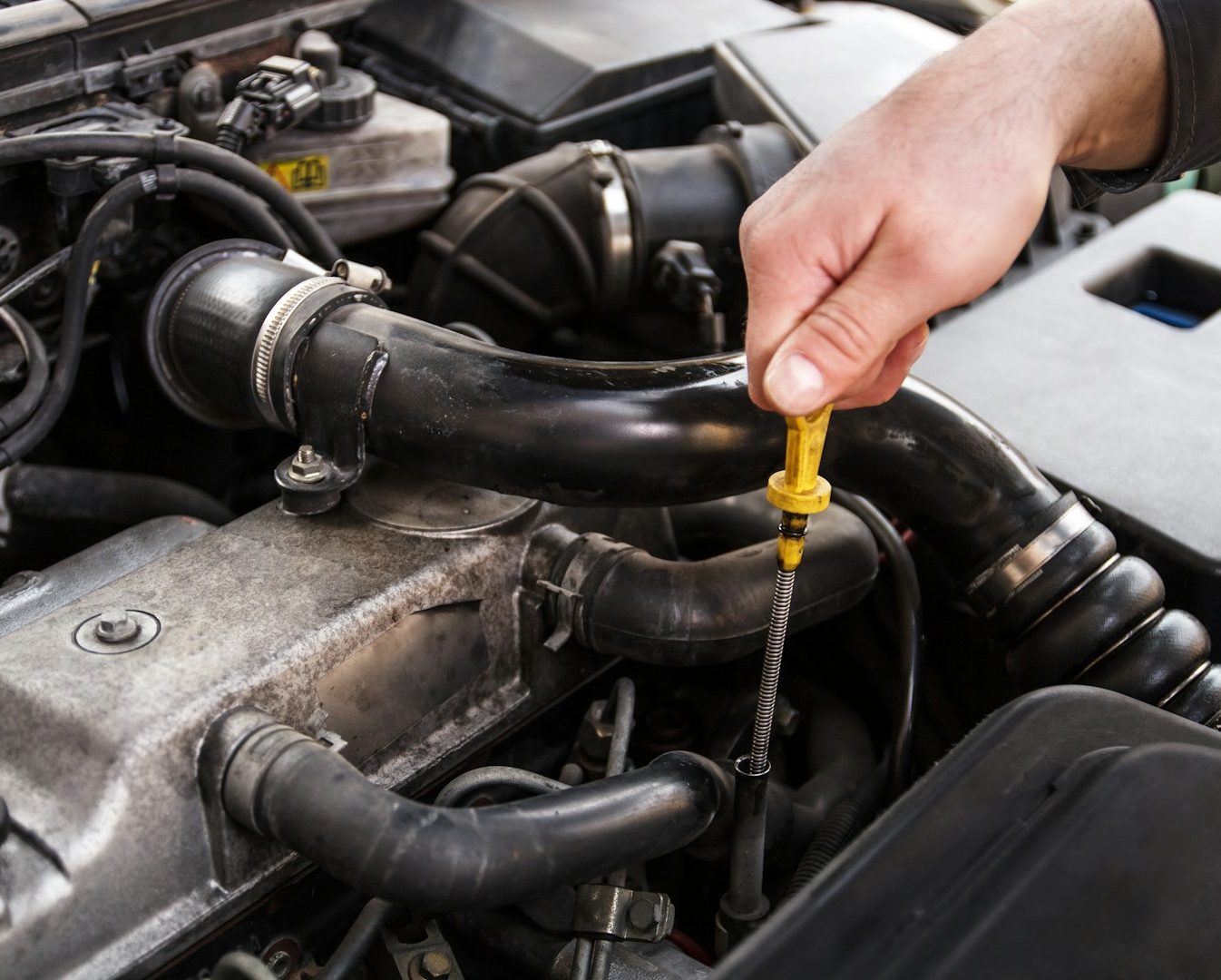
Open the bonnet and tell me how you would check that the engine has sufficient oil.
This involves you opening the bonnet. You would check the oil level by removing the dipstick, wipe it clean of oil, dip it back in, removing it again and the oil should leave an oily mark between the maximum and minimum marker.
Open the bonnet and tell me how you would check that the engine has sufficient engine coolant.
This involves you opening the bonnet. The coolant can be checked by looking at the maximum and minimum levels found on the side of the expansion tank (never open the coolant when it’s hot).
Open the bonnet and tell me how you would check that you have a safe level of hydraulic brake fluid.
This involves you opening the bonnet. It can be checked by looking at the maximum and minimum levels found on the side of the brake fluid reservoir
Tell me how you would check that the brakes are working before starting a journey.
Tell the examiner that you would drive forward slowly, press the foot brake, it shouldn’t feel spongy or slack and the car shouldn’t pull to one side.
Tell me where you would find the information for the recommended tyre pressures for this car and how tyre pressures should be checked.
Tell the examiner that you would check and adjust all the tyres including the spare tyre when they’re cold with an air pressure gauge. Don’t forget to refit the valve caps after. Tyre pressure information can be found in the car manual or sometimes there’s a sticker on either the drivers or passengers door pillar.
Tell me how you make sure your head restraint is correctly adjusted so it provides the best protection in the event of a crash.
The head restraint should be adjusted so the rigid part is at least as high as your eyes or top of the ears and as close to the back of your head as comfortable. If you do need to adjust it, there’s a little button at the base of the head restraint that you can press and then move the head restraint up or down.
Tell me how you would check the tyres to ensure that they have sufficient tread depth and that their general condition is safe to use on the road.
You would check all the tyres with a tread depth gauge. The tread depth should be no less than 1.6mm across the central three quarters breadth of the tyre and you would check this all the way around the tyre. There also shouldn’t be any cuts or bulges on the outside of the tyre wall.
Tell me how you would check that the headlights and tail lights are working. You don’t need to exit the vehicle.
You would turn the ignition on, turn the dipped headlights on and then walk round the car to check that the headlights and tail lights are working.
Tell me how you would know if there was a problem with your anti-lock braking system (ABS).
You would tell the examiner that the ABS warning light will illuminate on the dashboard if there is a problem.
Tell me how you would check the direction indicators are working. You don’t need to exit the vehicle.
Tell the examiner that you would press the hazard warning lights button, it’s identified by a red triangle. Then you would walk around the car to make sure all six indicators are working (you don’t need to physically check on the driving test as it’s a ‘tell me’ question).
Tell me how you would check the brake lights are working on this car.
Tell the examiner that you would turn the ignition on, press the foot brake and either look for reflections in windows or a garage door for example or ask someone to help and check the brake lights are working.
Tell me how you would check the power-assisted steering is working before starting a journey.
To check it’s working, you can pull down on the steering wheel as you start the engine. There should be slight movement as the power steering begins to operate. Also, as soon as you move off, you’ll feel the steering is light to turn and not heavy.
Tell me how you would switch on the rear fog light(s) and explain when you’d use it/them. You don’t need to exit the vehicle.
Tell the examiner that you would use the rear fog light when you can’t see further than 100 metres. You would firstly need to turn on the ignition, turn on the dipped headlights and then turn on the rear fog light ( a light will illuminate) .
Tell me how you switch your headlight from dipped to main beam and explain how you’d know the main beam is on.
Tell the examiner that you would have to turn on the ignition. Turn on the dipped headlights. Push the indicator stalk on the left away from you for the main beam , a blue light will illuminate on the dash board.
When it’s safe to do so, can you show me how you wash and clean the rear windscreen?
The control for this is on the right hand stork To use it, push the stork away from you and hold to squirt water, and then pull back to stop the wiper arm continuing to wipe .
When it’s safe to do so, can you show me how you wash and clean the front windscreen?
The control for this is on the same stalk as the rear windscreen washer. This time you will have to pull the wiper arm towards you until water sprays on the windscreen.
When it’s safe to do so, can you show me how you would switch on your dipped headlights?
Turn the switch twice to the right for the dipped headlights. The symbol on the dashboard shows they’re on. Don’t forget to turn them off after. Try not to look at the control when driving.
When it’s safe to do so, can you show me how you would set the rear demister?
The demister controls are on the dash board, Press it to turn it on. Don’t forget to turn it off by pressing it again.
When it’s safe to do so, can you show me how you would operate the horn?
The horn is in the centre of the steering wheel. When there aren’t any other road users nearby just press it.
When it’s safe to do so, can you show me how you would demist the front windscreen?
The demister controls are on the dash board, Press it to turn it on. Don’t forget to turn it off by pressing it again.
When it’s safe to do so, can you show me how you would open and close the side window?
The same as all the other ‘show me’ questions, only do this when it’s safe. The controls are on the drivers door. You can open and close any window. The button on the right and forward is for the drivers window. Press it down to fully open the window. Pull it up to close the window. Try not to look at the controls when driving.
What happens if I fail the Show Me, Tell Me questions?
Firstly, you won’t fail your driving test! You will get a maximum of one ‘driving fault’ (a minor as they’re commonly called) if you get one or both the qu